Life Is a Video Game. We Built an App to Play It.
Secret World is a free app that puts paid quests, pop-ups and local shops on a live map. Here's how to play.
You dress differently for a first date than you do to help a friend move a couch. A gamer would call that choosing a loadout: you pick your gear for whatever you're about to do. You might want one setup for PvP, where you're facing another player, and another for PvE, where you and a friend take on a challenge together. In everyday life, the terms are simpler. Good jacket for the date. Shoes with grip for the fifth-floor walk-up.
We built Secret World around that belief: life is a video game, and most of us already know how to play. The part we've always wanted is the map. In a game, you can open it and see a quest worth taking, a merchant on the move or a shop worth visiting before you head home. In a city, all three might be four blocks away, and you could miss them because nobody thought to text you.
Secret World is a free app for iPhone and Android that puts paid tasks, pop-ups and local deals on a live map. It started in New York City and works anywhere. The AI in SecretWorld.ai stands for Actual Interaction. A pin on the map is an invitation to do something: earn a little money, sell what you make, meet someone or walk into a place you've passed a hundred times.
The side quests
Imagine tapping a gold coin on the map and finding an offer of $30 for twenty minutes on a park bench. Someone's about to propose. They want it on video, and they have an excellent reason to hire a stranger: their partner knows all their friends.
That's a Secret World quest. The post tells you what the person needs, where to meet and what it pays. You apply, they choose you, and the two of you work out which bench has the best camera angle. For you, it's a side quest on the way home. For the couple, those twenty minutes are the main event.
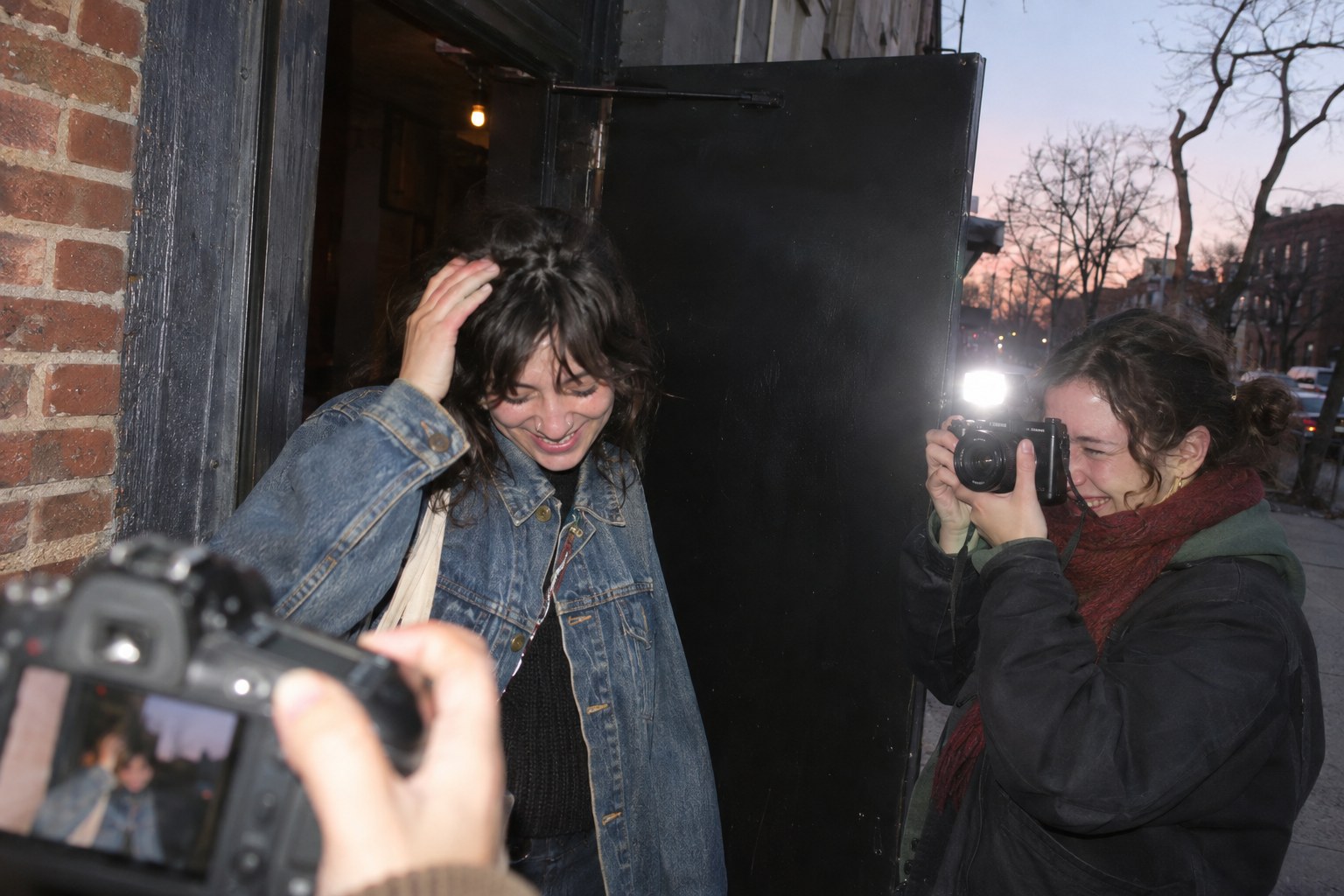
Sometimes a quest needs a whole party. Say you're a musician and you want to pull up to your release party to camera flashes and somebody calling, "Who are you wearing?" People already pay for that Hollywood entrance. Companies like Famous for a Day provide performers to play paparazzi, publicists and bodyguards for birthdays and events. The guests even get the photos to take home.
On Secret World, you could cast your version as a Scene. Two paid spots for people playing paparazzi. One for an interviewer at the door. Each person sees the role and the pay before applying. You get footage for your release, and three people nearby get a Friday-night gig they probably never would have thought to search for.
The money board
If you ever set up a shop in MapleStory's Free Market, you know the appeal. One minute you're browsing other players' stalls. The next, you've picked a spot, put your own items up for sale, and someone's stopped to see what you've got. You can be the adventurer and the merchant in the same afternoon.
That's the idea behind a pop-up on Secret World. Say you make jerk chicken plates on Fridays. You've got four left, so you put a photo on your Instagram Story. Your cousin three states away sees it right away. The person you'd really like to reach is the neighbor getting off the train, hungry and eight minutes from your door. Drop a flame on the map with tonight's menu and your pickup spot, and that neighbor can find your kitchen while dinner's still hot.
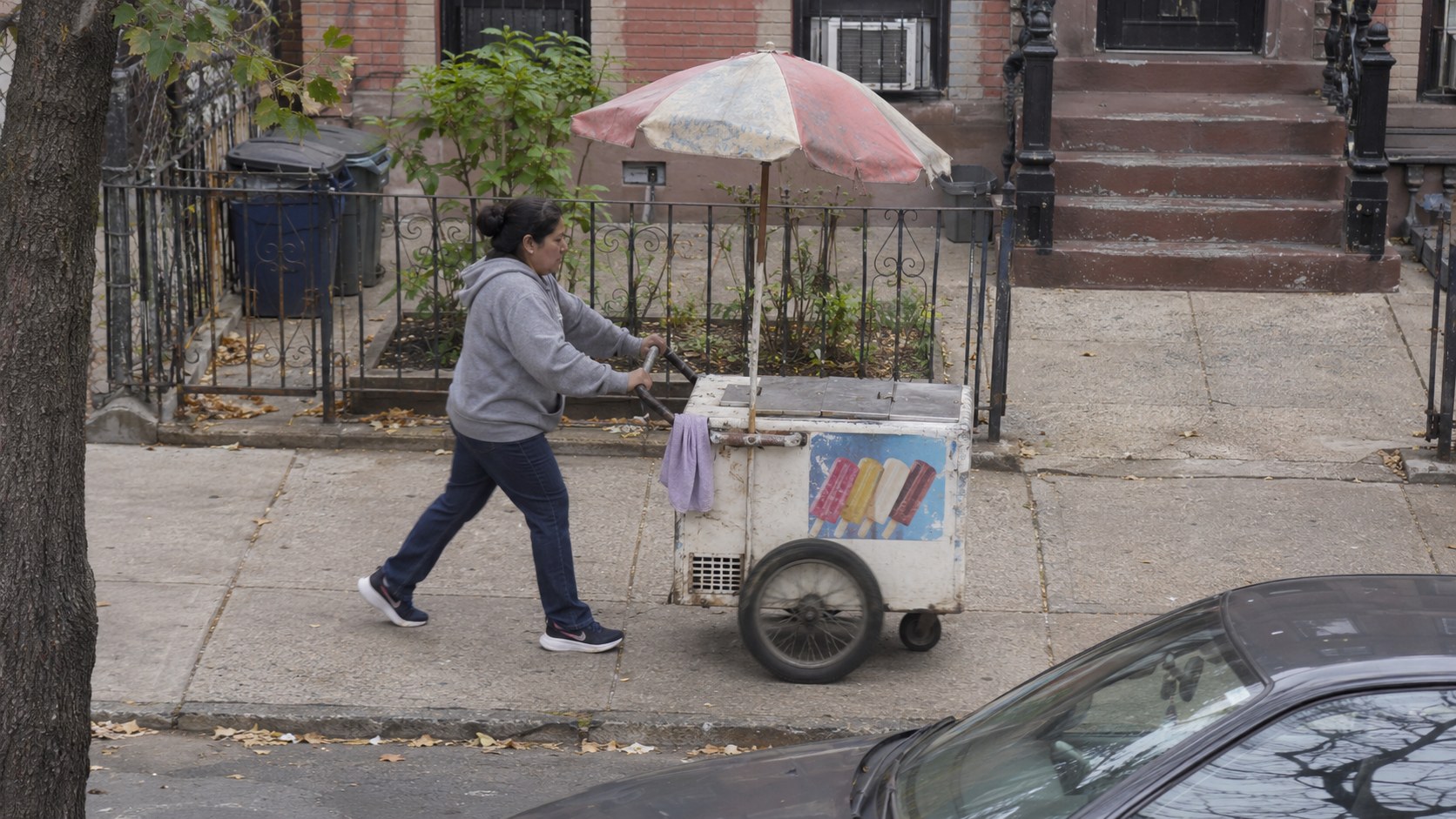
Now think about the ice cream lady who pushes her cart from the playground to the basketball courts. Someone texts you the corner where they saw her ten minutes ago. By the time you get there, she's turned onto another block. While her Secret World pop-up is live, the pin follows her cart. You can open the map and see where to catch her now.
That moving flame is useful for anyone whose shop travels with them. A mobile detailer can work from a van. A vendor can sell from a folding table until it's time to pack up. You decide where to set up and what to offer. The money you earn comes from the people who stop at your spot on the board. Posting a pop-up is free, and Secret World never takes a cut.
The town merchants
MapleStory had another kind of shop, too. Alongside the players trading their own items were familiar town merchants. A game calls the shopkeeper an NPC, short for non-player character. When you were low on potions before a fight, you knew whose counter to visit.
Your neighborhood has familiar stops like that: the deli on your way to work, the salon around the corner, the lunch counter with papers taped all over the front glass. One sheet is the menu. Another says they're hiring for Saturdays. A third advertises the lunch special you wish you'd seen before ordering somewhere else.
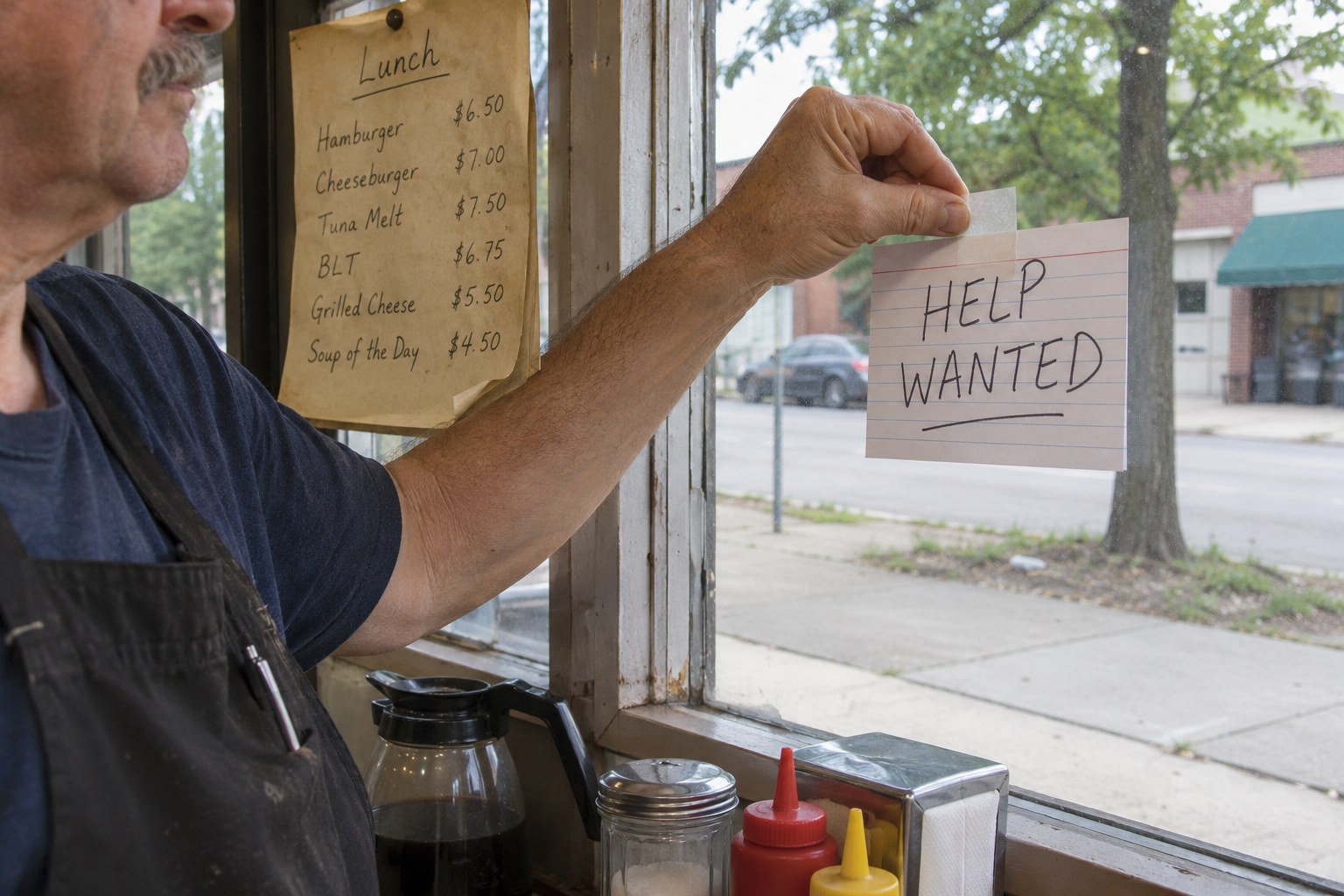
A storefront pin gives all those papers a place on the map. A business can show its menu, hiring notices, deals and memberships so you know what it offers before you make the trip. The Saturday job can reach someone who takes a different route to work. The lunch special can bring in a neighbor who has walked past for years. And if that deal saves you a few bucks on something you were going to buy anyway, a dollar saved is a dollar earned.
Both kinds of shops belong on the same board. You might buy lunch at the counter, catch the ice cream cart on your walk home, then open your own pop-up for dinner. At noon you were somebody's customer. By six, somebody's coming down the block to buy from you.
The masks we wear
In a multiplayer game, choosing a character tells the other players what they can count on you for. Real life is a little more interesting. You can sit across from someone at work for a year before walking into a party on Friday night and finding her behind the decks. On Monday, she's the coworker who knows how to fix the printer. On Friday, she's the DJ everyone came to hear.
That's what we mean by a persona: the mask you wear in a particular part of your life. Every player makes a Creator Card and chooses which side of themselves they want people to meet. Put DJ on yours, link a mix and write, "Hit me up for house parties and opening sets." Now someone throwing a party knows exactly why to reach out.
Your card goes with you when you apply for a quest. It can also introduce you to someone who has an opportunity of their own. Maybe you've played a hundred sets. Maybe you have one mix you're proud of and you'd love a reason to play the second one live.
Press start
Download Secret World on iPhone or Android, sign up with your phone number and make your Creator Card. Choose your persona and finish one sentence: "Hit me up for ___." Then open the map around you. Secret World is for adults 18 and older.
Got twenty minutes to spare? Tap a gold coin and see who could use a hand. Got four plates left? Drop a flame. Looking for lunch? Check what the shops on your route are offering. And if you hear the ice cream cart before you see it, you know where to look.
Start playing at SecretWorld.ai.
FAQ
What is Secret World?
Secret World is a free app for iPhone and Android that shows paid tasks, pop-ups and local deals on a live map around you. It started in New York City and works anywhere.
What do the pins on the Secret World map mean?
A gold coin is a paid task or quest. A flame is a pop-up, someone selling from home, a cart or a van. A storefront is a local business showing its menu, deals and hiring notices.
What is a Scene on Secret World?
A Scene is a task with several paid spots, so you can cast a whole group at once, like two paparazzi and an interviewer for a release party.
Is Secret World free?
Yes. It's free to download, free to post a task or a pop-up, and Secret World never takes a cut of what you earn or sell.
What is a Creator Card?
Your Creator Card is your character in the game: your name, photo, social links, persona and what people can hit you up for. It goes with you when you apply for a task.
Why is it called secretworld.ai?
The AI stands for Actual Interaction. Secret World connects real people nearby, in real life.