The Hidden Economy on Your Block
The hidden economy on your block: the cooks, fixers and sellers who run on cash and word of mouth, why they stay invisible, and how to find them.
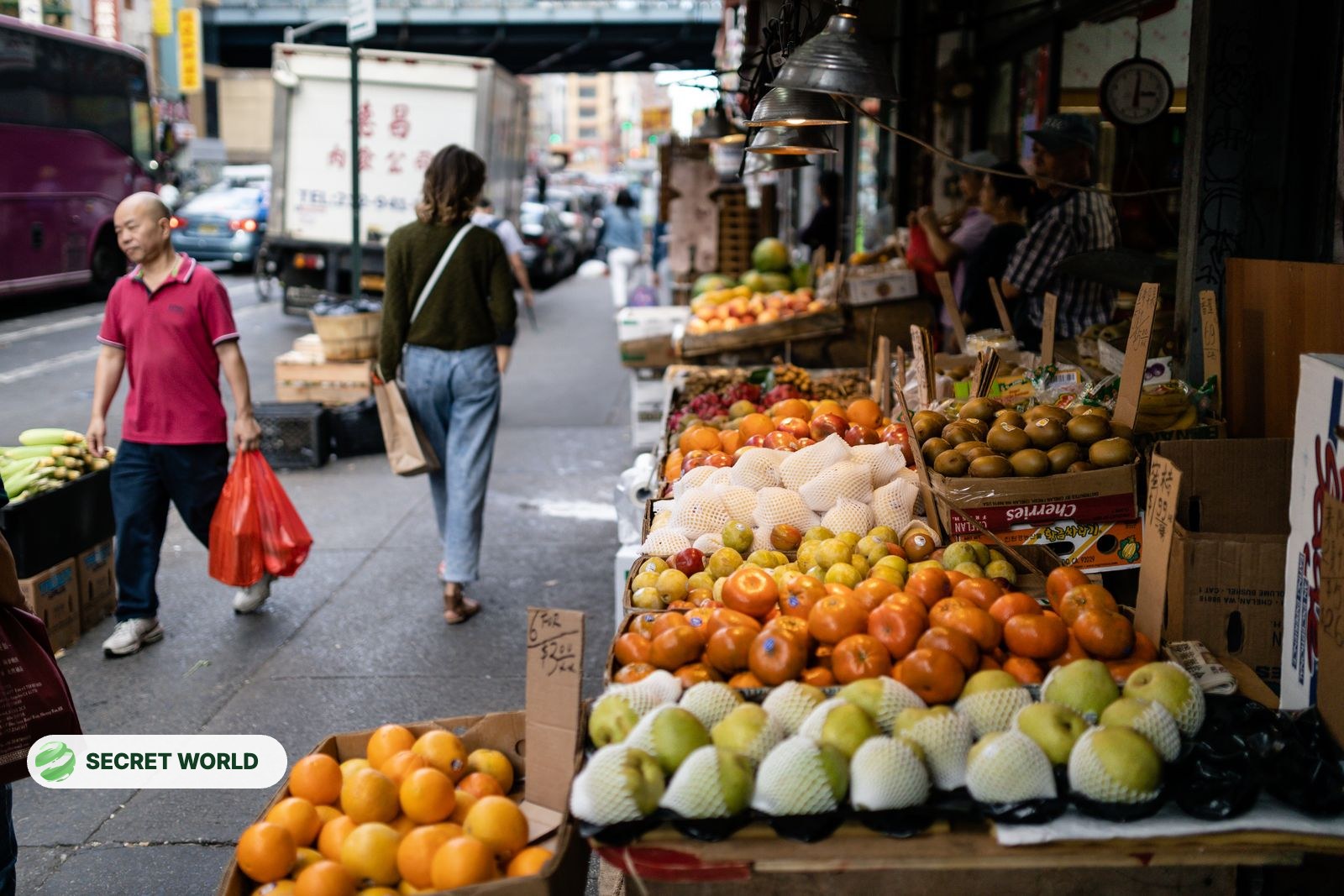
There's an economy in every neighborhood that doesn't show up in any report. The lady who makes the best tamales on the block and sells them out of a cooler. The guy who fixes phones from a table outside the deli. The neighbor everyone calls when something needs carrying.
They run on cash, word of mouth and regulars. It works, until you want to reach someone new.
The short answer: the hidden economy on your block is all the small, informal business that happens without a storefront or a website: home cooks, street vendors, fixers, braiders, resellers and people who do odd jobs. It's hard to find because it lives in group chats and on corners. The way to find it is to look at what's happening nearby, right now, on a live map.
Who's in it
Walk one block in New York with your eyes open and you'll count a dozen businesses that have no sign.
- Home cooks. Plates on Sunday, cookie boxes for the holidays, a cooler of tamales at the train in the morning.
- Fixers. Phone screens, bike tires, a sewing machine on a folding table.
- Sellers. Thrift racks, sneakers, candles, phone cases, flowers on Valentine's Day.
- Beauty. Braiders, barbers and nail techs working out of apartments and chairs.
- The helpers. The guy with the van, the teenager who walks every dog on the block, the neighbor who'll carry anything up five flights.
None of them have a marketing budget. Most of them have regulars who've been coming for years.
How big it really is
Nobody counts this economy properly, which is part of the problem. Street vending alone gives you a sense of it. According to the Street Vendor Project, about 20,000 vendors work the streets of the five boroughs.
That's just people selling on sidewalks. Add the home cooks, the braiders, the movers with a van and the people taking odd jobs, and the number gets a lot bigger. It's a whole second economy running right next to the one with storefronts.
Why it stays hidden
Most of these hustles are too small, too new or too on-the-move for a website or a storefront. A website costs money and nobody finds it anyway. A storefront costs rent most people will never have.
Social media helps a little, but only with people who already follow you. Your stories disappear in a day. The algorithm shows your posts to people who already know you. The person who just moved in down the street has no way of knowing you exist.
So the hidden economy grows the slow way. One regular tells another. A cousin posts in the group chat. That works for staying alive. It doesn't work for growing.
What it costs everybody
When the hidden economy stays hidden, everybody loses a little.
- Sellers lose new customers. The person who would have bought every week never walks past.
- Buyers lose the good stuff. You order the same delivery food while the best plate in the neighborhood is a block away.
- Neighbors lose easy help. You pay a company for a job someone on your street would have done in an hour.
It's not that people don't want to buy local. It's that they can't see what's local.
Putting it on the map
Secret World makes the hidden economy visible. Pop-ups, paid tasks and local shops all sit on one live map, sorted by how close they are. You don't need a store, a website or followers. You need to be close to the people looking.
- Pop-ups show what someone is selling, where and for how long, so neighbors can walk over while you're there.
- Tasks show small paid jobs nearby, with no resume and no interview. You can even offer a favor or a trade instead of money.
- Shops and deals let small businesses put themselves on the map with their offers.
We made the bigger case for this in Why NYC's Hustle Economy Needs a Map.
How to be part of it
You're probably already in the hidden economy, as a buyer, a seller or both.
- If you have a hustle, put it on the map so the people around you can find it. Say what you sell in plain words and when you're out.
- If you're looking for something to buy, look at your own block first. There's more going on than you think.
- If you want extra money, check the tasks nearby. Carrying, errands, setup and pet care are all things someone close by needs done today.
- If you need help, post a task. There's no fee to post one, and someone down the street might be free right now.
And if you're wondering whether New York even lets you sell from your kitchen, read Florida and Texas Let You Run a Business From Your Kitchen. Why Can't New York.
Frequently asked questions
What is the hidden economy?
The hidden economy, also called the informal economy, is the small business activity that happens without storefronts, websites or official listings. In New York it includes home cooks, street vendors, phone fixers, braiders, resellers and people who take odd jobs. The hidden economy runs mostly on cash, word of mouth and regular customers, which makes it hard for newcomers to find.
How many street vendors are there in New York City?
The Street Vendor Project estimates that about 20,000 vendors work the streets of New York City's five boroughs, as reported by amNY. That number covers people selling on sidewalks and doesn't include home cooks, service providers or people taking odd jobs, so the full informal economy in New York City is much bigger than the street vendor count alone.
How do I find local sellers in my neighborhood?
The easiest way to find local sellers in your neighborhood is to use a live map instead of a feed. On Secret World, pop-ups, local shops and deals appear as pins sorted by distance, so you see what's happening near you right now. Walking a few blocks past your usual route and asking regulars also helps.
How can a small hustle get found without a website?
A small hustle can get found without a website by showing up where nearby people are already looking. On Secret World, you can drop a pop-up on the live map with what you sell, where you are and how long you'll stay, so people close by see it in real time. No storefront, website or followers needed.
Can I earn money in my own neighborhood without a resume?
Yes, you can earn money in your own neighborhood without a resume on Secret World. The app shows paid tasks and short gigs near you, like carrying furniture, running errands, walking dogs or helping a vendor set up. You pick a task close by and do it, with no resume and no interview required.
Look at your own block
The hidden economy is already there. Put yours on the map or go find what's around you at secretworld.ai, or get the app on iPhone and Android.